Curtsying may not be something most people do regularly anymore, especially outside formal royal ceremonies or traditional social occasions. However, a modern version of the curtsy has recently become a regular part of my weekly routine—not as a polite gesture, but as an effective lower-body exercise. The curtsy lunge has gradually become one of the most valuable movements in my leg workouts, and it has now completely replaced the standard reverse lunge in my training plan.
Although the reverse lunge is a popular and highly effective exercise, I personally find that the curtsy lunge gives me several benefits that the traditional movement does not provide to the same degree. The diagonal stepping pattern places additional demand on the hips, outer glutes, inner thighs and core. It also challenges balance and stability in a way that feels more useful for my overall training goals, particularly because much of my exercise routine is designed to support running and improve lower-body strength.
What Is a Curtsy Lunge?
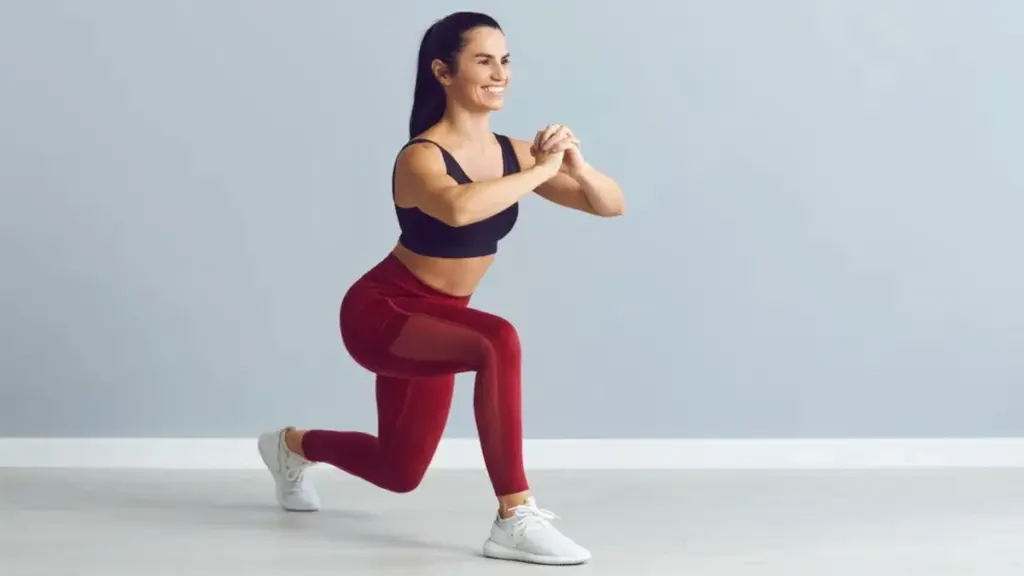
A curtsy lunge is a lower-body exercise in which one leg steps diagonally behind the other before both knees bend to lower the body toward the floor. The position resembles the traditional curtsy gesture, which is where the exercise gets its name. Unlike a regular reverse lunge, where the back foot travels directly behind the body, the curtsy lunge introduces a controlled sideways and diagonal movement.
This change in direction may appear small, but it significantly alters how the lower-body muscles work. The movement continues to train the quadriceps, hamstrings and glutes, but it places greater emphasis on the muscles around the hips, including the outer glutes and hip adductors. Because the body must resist twisting while maintaining an upright position, the exercise also provides a useful core-stability challenge.
How to Perform a Curtsy Lunge Correctly
The curtsy lunge can be performed using only your bodyweight, making it suitable for home workouts as well as gym sessions. Beginners should start without weights so they can learn the movement pattern, improve their balance and understand how far to step behind the body. Once the exercise feels controlled and comfortable, dumbbells, kettlebells or another form of resistance can be added.
Step-by-Step Curtsy Lunge Instructions
- Begin in a standing position: Stand upright with your feet approximately shoulder-width apart. Keep your chest lifted, shoulders relaxed and abdominal muscles lightly engaged.
- Step diagonally behind your body: Move your left foot backward and behind your right leg. Avoid stepping excessively far to the side, as this can make the exercise unstable and place unnecessary pressure on the joints.
- Bend both knees: Lower your body into a lunge while keeping your torso upright. Your front knee should remain aligned with the direction of your front foot rather than collapsing inward.
- Lower under control: Continue descending until your right thigh is close to parallel with the floor, or as low as you can comfortably go while maintaining good form.
- Keep your core engaged: Brace your abdominal muscles to prevent your upper body from leaning, rotating or losing balance.
- Return to standing: Push firmly through your right foot and squeeze your glutes as you drive your body back to the starting position.
- Repeat on the opposite side: Complete the required number of repetitions before changing legs, or alternate sides after every repetition.
Important Form Tips
Throughout the exercise, try to keep your hips and chest facing forward. A common mistake is allowing the torso or pelvis to rotate toward the stepping leg. The goal is to create movement through the legs and hips while keeping the upper body controlled and relatively square. Both feet should also remain pointing mostly forward rather than allowing the back foot to turn dramatically outward.
Your front foot should stay firmly planted on the floor, with your weight distributed through the heel and midfoot. The front knee should track naturally over the foot without collapsing inward. Moving slowly is usually more effective than rushing through repetitions because a controlled tempo makes it easier to maintain alignment and feel the correct muscles working.
Why I Prefer Curtsy Lunges Over Reverse Lunges
Most of my strength training is intended to support running, improve durability and reduce the likelihood of lower-body weaknesses affecting my performance. I regularly use exercises such as squats, deadlifts and calf raises because they provide a clear strength-building benefit. Lunges, however, were never movements I particularly enjoyed, and I often struggled to feel that standard reverse lunges offered enough additional value compared with the other exercises in my routine.
That changed when I started performing curtsy lunges. The exercise trains many of the same major muscle groups as a reverse lunge, including the quadriceps, hamstrings and gluteus maximus, but the diagonal movement creates a noticeably different challenge. I feel greater activation around the sides of my hips, through the outer glutes and along the inside of my thighs. This makes the exercise feel more complete and better suited to addressing areas that are sometimes neglected by straightforward forward-and-back movements.
Curtsy Lunges Target the Hips and Outer Glutes
One of the biggest reasons I continue to include curtsy lunges is the additional focus they place on the muscles surrounding the hips. Strong hip muscles play an important role in controlling the position of the pelvis, stabilizing the knees and maintaining efficient lower-body movement. These muscles can be especially important for runners because running involves repeatedly landing and pushing off one leg at a time.
The curtsy lunge requires the working leg to control both downward movement and sideways forces. This can increase the involvement of the gluteus medius and other stabilizing muscles around the outside of the hip. These muscles help prevent the pelvis from dropping excessively and assist in keeping the knee properly aligned during single-leg movements.
The Inner Thighs Also Work Harder
The diagonal position also engages the hip adductors, which are the muscles located along the inside of the thighs. These muscles help pull the legs toward the midline of the body and contribute to hip and pelvic stability. Standard squats, deadlifts and reverse lunges certainly involve the adductors, but the crossing pattern of a curtsy lunge can make their contribution more noticeable.
Strengthening the inner thighs can be valuable for improving control during athletic movements and everyday activities. However, the curtsy lunge should always be performed through a comfortable range of motion. Stepping too far across the body can create excessive twisting and may irritate the knees or hips instead of strengthening them effectively.
The Curtsy Lunge Adds Lateral Movement to My Workouts
Running and many traditional strength exercises primarily take place in the sagittal plane, meaning the body moves forward, backward, upward and downward. While these movement patterns are essential, they do not always provide much sideways or rotational control. The curtsy lunge introduces a lateral and diagonal component that takes the body outside its usual straight-line movement pattern.
This variety is particularly useful for me because it helps train the body to remain stable when force is coming from a different direction. Even though the curtsy lunge is not a direct replacement for dedicated lateral exercises, it offers a practical way to include multidirectional movement without adding several extra exercises to a short workout.
Curtsy Lunges Challenge Core Stability
The curtsy lunge is usually described as a leg exercise, but it also requires a surprising amount of core control. As one foot moves diagonally behind the body, the torso naturally wants to rotate or lean. The abdominal muscles, obliques and muscles surrounding the spine must work together to keep the upper body upright and facing forward.
This stability challenge becomes more demanding when external weight is added, especially when a dumbbell or kettlebell is held in front of the chest. The weight attempts to pull the torso forward while the diagonal leg position challenges side-to-side balance. Maintaining good posture under these conditions makes the exercise an efficient combination of lower-body strength, coordination and core training.
How to Add Weight to a Curtsy Lunge
Once you can perform bodyweight curtsy lunges with good balance and without discomfort, you can gradually increase the difficulty by adding resistance. There are several ways to do this, and the best option depends on your experience, available equipment and ability to maintain proper form.
Using Two Dumbbells
Hold one dumbbell in each hand with your arms resting naturally by your sides. This setup distributes the weight evenly and usually feels stable. Keep your shoulders pulled gently back and avoid allowing the dumbbells to swing as you step behind the body.
Using One Dumbbell or Kettlebell
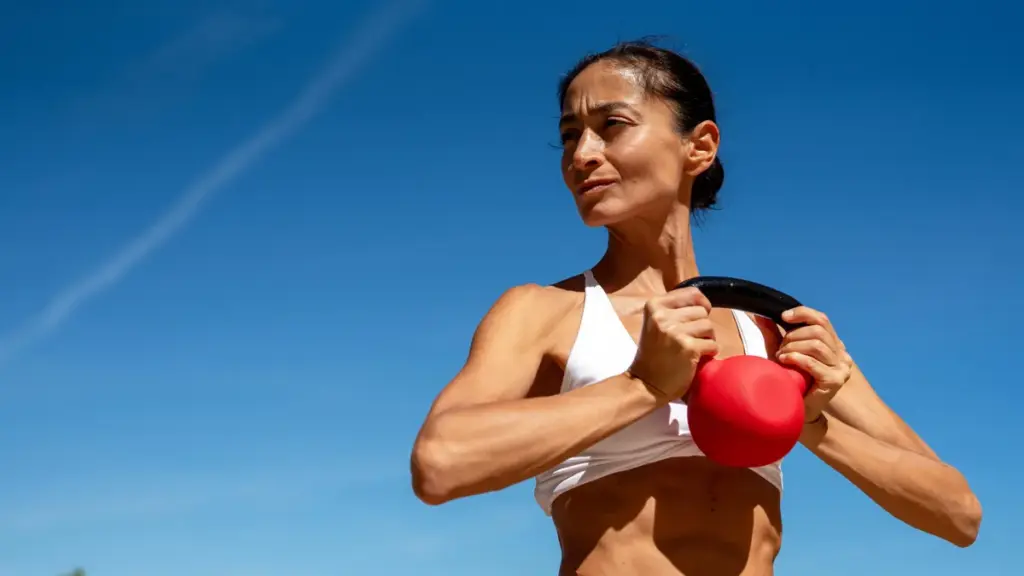
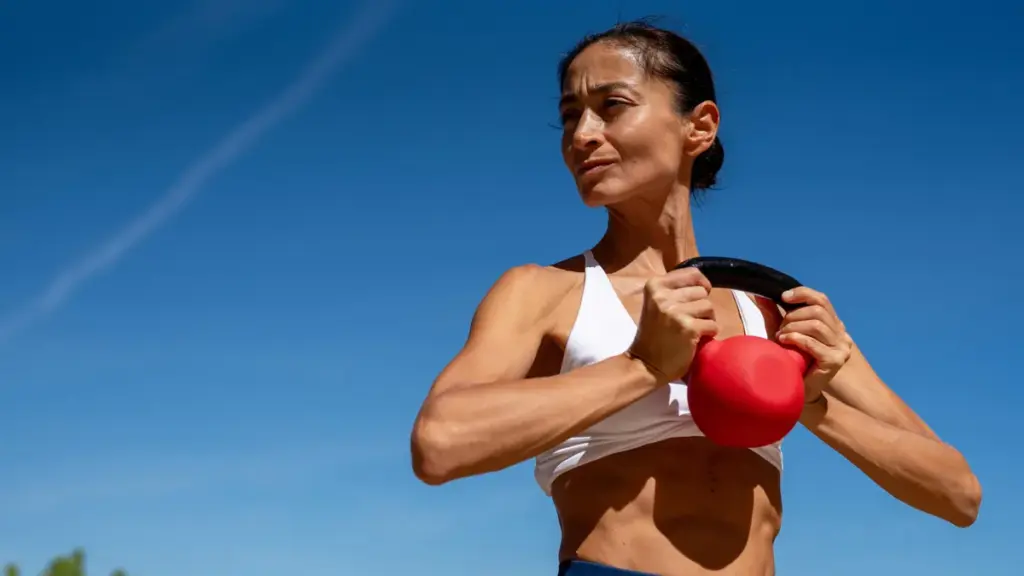
Hold a single dumbbell or kettlebell with both hands in front of your chest. This position, sometimes called a goblet hold, increases the demand on the core because the torso must resist being pulled forward. It is the variation I prefer because it combines lower-body strength with a greater stability challenge.
Using Uneven Resistance
More experienced exercisers can hold a weight on only one side of the body. This creates an uneven load and forces the core and hips to work harder to prevent leaning. However, this variation should only be attempted after the basic movement can be performed with excellent control.
How Many Curtsy Lunges Should You Do?
The ideal number of repetitions depends on your goals and training experience. Beginners can start with two or three sets of six to eight repetitions on each side using bodyweight. The priority should be maintaining balance, controlling the lowering phase and keeping the front knee properly aligned.
Once the movement becomes comfortable, you can progress to eight to twelve repetitions on each leg or add a moderate amount of weight. I personally perform eight repetitions per side while holding a single 33-pound dumbbell in front of my chest. This provides enough resistance to challenge my legs and core without causing my technique to break down.
Common Curtsy Lunge Mistakes to Avoid
Stepping Too Far Across the Body
Your back foot should travel diagonally behind the front leg, but it should not cross so far that your hips and knees are forced into an uncomfortable position. An excessively wide crossover can make balance more difficult and may increase stress on the front knee.
Allowing the Front Knee to Collapse Inward
Keep the front knee tracking in line with the toes. If the knee repeatedly moves inward, reduce the depth of the lunge, shorten the diagonal step or return to bodyweight until you develop better control.
Twisting the Hips and Torso
Try to keep your hips and shoulders facing forward. Some natural movement may occur, but excessive rotation reduces stability and changes the purpose of the exercise. Engage your core before stepping back and move slowly enough to control the position.
Leaning Too Far Forward
A slight forward lean may occur naturally, but your chest should remain lifted and your spine should stay neutral. If you are folding forward significantly, the weight may be too heavy or your step may be too long.
Moving Too Quickly
Speed can hide poor form. Lower your body under control, pause briefly if necessary and push through the front foot to return to standing. Slower repetitions often make the exercise more challenging without requiring heavier weights.
What to Do If You Struggle With Balance
Balance is one of the most challenging parts of the curtsy lunge. If you feel unstable, begin by reducing how far your back foot travels behind and across the body. You can also perform the movement next to a wall, chair or sturdy support and use one hand for light assistance.
Another useful option is to practice stationary curtsy lunges. Instead of returning the back foot fully to the starting position after every repetition, keep both feet planted in the staggered position and simply lower and raise your body. This removes part of the balance challenge and allows you to focus on knee alignment, hip control and muscle engagement.
Are Curtsy Lunges Safe for the Knees?
Curtsy lunges can be performed safely by many people, but they are not necessarily suitable for everyone. The diagonal movement can place different demands on the knees and hips compared with a standard reverse lunge. People with existing knee pain, hip discomfort, limited mobility or a history of joint injuries should approach the exercise carefully.
You should not experience sharp pain while performing the movement. If the exercise causes knee pain, hip pinching or joint discomfort, stop rather than trying to push through it. A qualified personal trainer, physical therapist or healthcare professional can assess your form and help determine whether a modified version or a different exercise would be more appropriate.
Who May Benefit From Curtsy Lunges?
Curtsy lunges may be useful for people who want to strengthen their glutes, improve hip stability, develop better single-leg balance or introduce more multidirectional movement into their workouts. They can also be valuable for runners and recreational athletes who spend much of their training moving in a straight line.
However, they should be viewed as one exercise within a balanced training program rather than a complete lower-body solution. Squats, hip hinges, calf exercises, regular lunges and lateral movements can all contribute different benefits. The most effective routine is one that trains major muscle groups through several movement patterns while allowing adequate recovery.