Running sunglasses might look like a stylish accessory, but their real purpose goes far beyond appearance.
A well-designed pair can protect your eyes from harmful sunlight, reduce glare, prevent dust and debris from
reaching your eyes, and help you remain comfortable during long training sessions. Unlike ordinary lifestyle
sunglasses, running-specific models are designed to stay securely in position while your body is constantly
moving. They should not bounce, slide down your nose, become uncomfortable behind your ears, or fog up every
time you slow down.
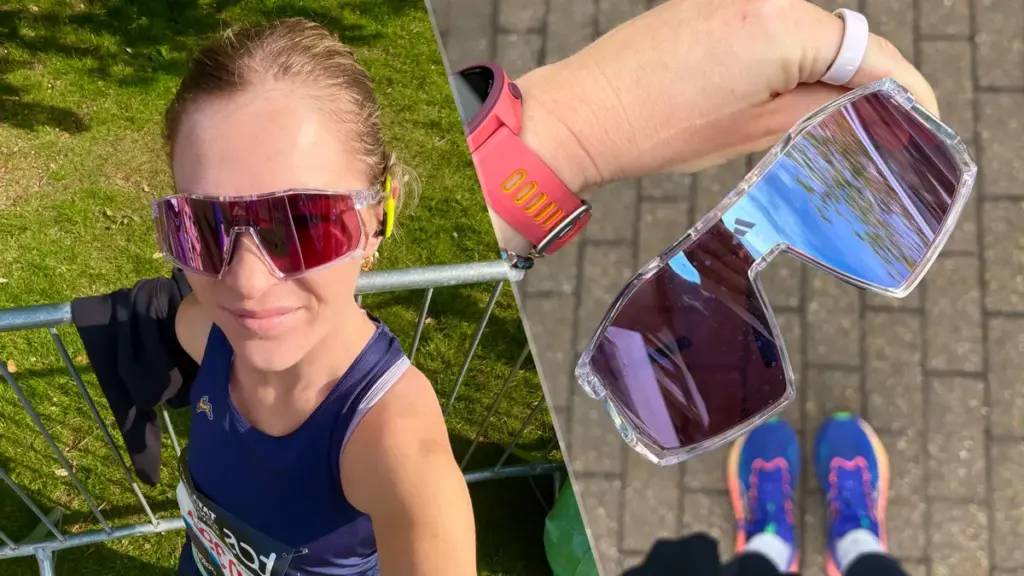
Over the past four months, I have worn the Adidas Kentro Sport Sunglasses for more than 100 miles of running.
During that time, I have tested them in different conditions, including short training runs, hot-weather
sessions, long-distance workouts, and a full marathon. After using them so consistently, they have become one
of the few pieces of running equipment I automatically reach for before heading outside.
Adidas Kentro Sport Sunglasses Overview
The Adidas Kentro Sport Sunglasses are designed for runners and active users who need lightweight eye protection
without sacrificing stability or comfort. They are available in several frame and lens combinations, making it
easier to choose a design that matches your personal style. Although the available colors may vary, the models
generally share the same lightweight plastic construction, wrap-around profile, secure nose support, and mirrored
lenses.
I wore these sunglasses during the London Marathon in April, when the weather was particularly bright and sunny.
I have also continued using them throughout warmer training sessions while preparing for the Frankfurt Marathon.
That combination of race-day use and regular training has given me enough time to evaluate how they perform over
longer distances rather than judging them after only one or two short runs.
Adidas Kentro Sport Sunglasses
Typical price: Around US$150, depending on the retailer, color and available promotion.
Best suited for: Road running, marathon training, outdoor workouts, cycling and other
activities performed in bright conditions.
Key features: Lightweight plastic frame, mirrored lenses, wrap-around eye coverage and a
large nose pad designed to keep the sunglasses securely in place.
Why Running Sunglasses Are Different From Regular Sunglasses
Standard sunglasses can provide basic protection from bright sunlight, but they are not always suitable for
running. Many casual frames are heavier, sit loosely on the face, or begin sliding once sweat builds up around
the nose. Some frames also have narrow lenses that allow sunlight to enter from the sides, while others can become
uncomfortable when worn with a running cap, headphones or earphones.
Running sunglasses are normally designed with a lighter frame, improved grip, broader lens coverage and a shape
that follows the contours of the face. These features matter most during longer runs because even a small amount
of movement can become distracting after several miles. Constantly pushing your glasses back into position can
interrupt your rhythm and make an otherwise comfortable run unnecessarily frustrating.
The Adidas Kentro Sunglasses Stay Secure While Running
The most impressive feature of the Adidas Kentro sunglasses is how securely they remain in place. The glasses use
a large nose pad that creates a stable point of contact without feeling excessively tight. Even when I was sweating
heavily during warm-weather runs, I did not experience the repeated slipping that can occur with ordinary sunglasses.
Their stability was especially noticeable during the London Marathon. Covering 26.2 miles gives any piece of
equipment plenty of time to reveal its weaknesses, yet the Kentro sunglasses continued to sit comfortably on my
face throughout the race. I did not need to keep adjusting them, and they did not bounce noticeably when my running
form became less controlled during the later miles.
A Wrap-Around Design Without Excessive Pressure
The wrap-around shape gives the sunglasses a secure and athletic fit while also improving coverage around the
sides of the eyes. Despite sitting close to the face, the frame has not created uncomfortable pressure around my
temples or behind my ears. This balance is important because sunglasses that grip too loosely may slide, while
frames that grip too firmly can become painful during extended use.
They Remained Clear When I Stopped
Fogging can be a problem with close-fitting sports eyewear, particularly when a runner suddenly stops at a traffic
light or finishes a difficult interval. In my experience, the Adidas Kentro lenses remained clear even when I
paused during training. Their shape appears to allow enough airflow around the lenses to reduce the buildup of
moisture without compromising the secure fit.
They Helped Reduce Squinting During Sunny Runs
Before using proper running sunglasses, I had not fully realised how much I squinted while running in bright
conditions. Even when wearing a cap, sunlight can still reach the eyes from the front and sides. Over a long
training session, repeatedly narrowing the eyes can create tension across the forehead and brow muscles.
That tension might seem minor at the beginning of a run, but it can become more noticeable as the miles increase.
For some runners, prolonged squinting may contribute to discomfort around the forehead or a tension-type headache.
By reducing the amount of harsh light reaching my eyes, the Kentro sunglasses allowed me to keep my face more relaxed
and focus more effectively on my breathing, pace and running form.
A More Relaxed Face Can Make Running Feel Easier
Staying relaxed is an important part of efficient distance running. When runners become tired, they often begin
tightening their jaw, raising their shoulders or tensing the muscles around their face. Although sunglasses cannot
correct running form, reducing glare and eliminating the need to squint can remove one unnecessary source of tension.
For me, the difference became particularly noticeable on longer runs. Instead of concentrating on the brightness
of the sun or feeling strain around my eyes, I could pay more attention to maintaining a consistent pace. The lenses
also made it easier to look ahead comfortably on open roads where there was very little shade.
The Mirrored Lenses Provide Essential Sun Protection
Comfort and stability are valuable, but the main reason to wear running sunglasses is eye protection. Runners often
spend extended periods outside, sometimes during the brightest part of the day. Just as exposed skin needs protection
from strong sunlight, the eyes also need appropriate coverage from ultraviolet radiation.
A suitable pair of sports sunglasses should help protect the eyes from both UVA and UVB rays. Repeated and prolonged
exposure to ultraviolet light can contribute to eye damage over time, making proper sunglasses an important part of
outdoor training equipment rather than an optional fashion accessory.
Protection From Glare
The mirrored lenses reduce the intensity of bright light and glare, which can be particularly useful when running
on exposed roads, beside water, or across light-colored surfaces that reflect sunlight. Better glare control can
improve visual comfort and make it easier to observe the road, approaching traffic, uneven pavement and other hazards.
Additional Protection From Dust and Debris
The wrap-around lens design can also provide a physical barrier against wind, dust, insects and loose debris. This
is useful during road runs, but it may be even more valuable on trails where small branches, dirt and airborne
particles can reach the face. While sports sunglasses cannot prevent every possible eye injury, broader lens coverage
provides more protection than a narrow casual frame.
Comfort During Long-Distance Training
Lightweight construction is one of the most important qualities in long-distance running sunglasses. A heavy frame
might feel acceptable during a short test, but pressure around the bridge of the nose and ears can become irritating
during an hour-long workout or marathon. The Adidas Kentro frame feels light enough that I often stop noticing it
once I settle into the run.
The nose pad distributes the weight effectively, while the arms remain secure without pressing too aggressively
against the sides of the head. I have also been able to wear them with a running cap without either item interfering
with the other. That compatibility makes them practical for hot and sunny conditions, when runners may want both
overhead shade and direct eye protection.
What I Like Most About the Adidas Kentro Sunglasses
After more than 100 miles of testing, the most valuable quality of these sunglasses is their consistency. They have
remained secure during long runs, felt comfortable in warm conditions, reduced my need to squint and provided broad
coverage from strong sunlight. I have not had to treat them delicately or make frequent adjustments while running.
Their bold mirrored appearance may not appeal to every runner, and some people may prefer a more understated lens.
However, I enjoy the sporty design and find that the visual style suits their intended purpose. More importantly,
their performance has remained reliable across both regular training sessions and race-day conditions.
Potential Drawbacks to Consider
The Adidas Kentro sunglasses sit in a relatively premium price category, so they may not be the best choice for
runners who only occasionally train outdoors or who frequently lose their sunglasses. Less expensive running
sunglasses can still provide good ultraviolet protection, provided they offer the correct lens certification and
remain securely positioned.
The large wrap-around shape is another factor to consider. It provides excellent coverage, but runners with smaller
faces may want to check the fit before buying. The mirrored lens style is also quite noticeable, so anyone looking
for a subtle everyday design might prefer a different color or a less reflective lens option.
Are the Adidas Kentro Sport Sunglasses Worth Buying?
The Adidas Kentro Sport Sunglasses are worth considering if you regularly run outdoors and want a lightweight,
stable pair that can handle both everyday training and long-distance events. They have performed particularly well
for me in bright and warm conditions, and their secure fit has remained dependable even during marathon-distance use.
Their price means they are an investment, but runners who spend several hours outside each week may appreciate the
combination of comfort, protection and durability. A cheaper pair may be sufficient for occasional use, but serious
runners should prioritise proper UVA and UVB protection, secure nose support, broad lens coverage and a comfortable
fit over appearance alone.
Final Verdict
After wearing the Adidas Kentro sunglasses for more than four months and running over 100 miles in them, they have
become an essential part of my outdoor training kit. They stay securely in place, remain comfortable over long
distances, help reduce glare and squinting, and provide useful protection from sunlight, wind and small debris.
The mirrored lenses received mixed opinions from some of my friends, but I like their appearance and would not want
to return to running long summer miles without them. Whether you are training for a marathon, building your weekly
mileage or simply running outdoors for fitness, protecting your eyes should receive the same attention as protecting
your skin.
Frequently Asked Questions About Running Sunglasses
Are the Adidas Kentro sunglasses suitable for marathon running?
Yes, they can be suitable for marathon running if the frame fits your face correctly. I wore them for an entire
26.2-mile marathon without experiencing significant slipping, bouncing or discomfort. However, every runner has
a different face shape, so testing them during several long training runs before race day is recommended.
Do the Adidas Kentro sunglasses slide when you sweat?
In my experience, the large nose pad keeps the sunglasses securely positioned even during hot and sweaty runs.
The frame remained stable without requiring frequent adjustments. Fit can vary between users, so runners with a
particularly narrow or wide face should still try them on where possible.
Do these running sunglasses fog up?
I did not experience serious fogging during normal training or when stopping briefly at traffic lights. The
wrap-around design sits close to the face, but it still appears to provide enough ventilation for regular road
running. Fogging may still occur in extremely humid or cold conditions.
Can running sunglasses help prevent headaches?
Running sunglasses may help reduce headaches caused or aggravated by bright light, glare and constant squinting.
By allowing the muscles around the eyes and forehead to remain more relaxed, they can improve comfort during long
outdoor sessions. Persistent or severe headaches should still be discussed with a qualified healthcare professional.
Why are wrap-around lenses useful for runners?
Wrap-around lenses provide broader coverage than traditional sunglasses. They can reduce sunlight entering from
the sides and offer additional protection from wind, dust, insects and small pieces of debris. They may also
improve stability because the frame follows the shape of the face more closely.
Are expensive running sunglasses necessary?
Expensive sunglasses are not essential for every runner. The most important factors are reliable UVA and UVB
protection, a secure fit, good visibility, comfortable nose support and sufficient lens coverage. Premium models
may offer better materials, durability and comfort, but affordable options can also perform well when they meet
the necessary safety and fit requirements.
Can I use normal sunglasses for running?
Normal sunglasses can be used for short or occasional runs, but they may slide, bounce or feel heavy as you sweat.
Running-specific sunglasses are generally lighter and are designed to stay stable during repeated movement. They
also tend to provide wider coverage around the eyes.